
Arena Cleaning Secrets: Ultimate Guide for Stadium Owners and Managers
Table Of Content
- Introduction
- Importance of Cleanliness in Arenas
- Case Studies of Successful Cleaning Implementations
- Cost Analysis of Different Cleaning Technologies
- Impact of Cleanliness on Fan Experience Metrics
- Collaborative Efforts Between Cleaning Teams and Event Organizers
- Future Trends in Arena Cleaning Technology
- Sustainable Cleaning Practices
- Conclusion
Introduction
Arenas play host to a variety of events from sports to concerts, and maintaining their cleanliness is crucial for both functionality and fan satisfaction. This guide will provide an in-depth look at the importance of arena cleaning, the types of arenas and specific cleaning needs, effective tools and techniques, and the latest innovations in cleaning technology.
Importance of Cleanliness in Arenas
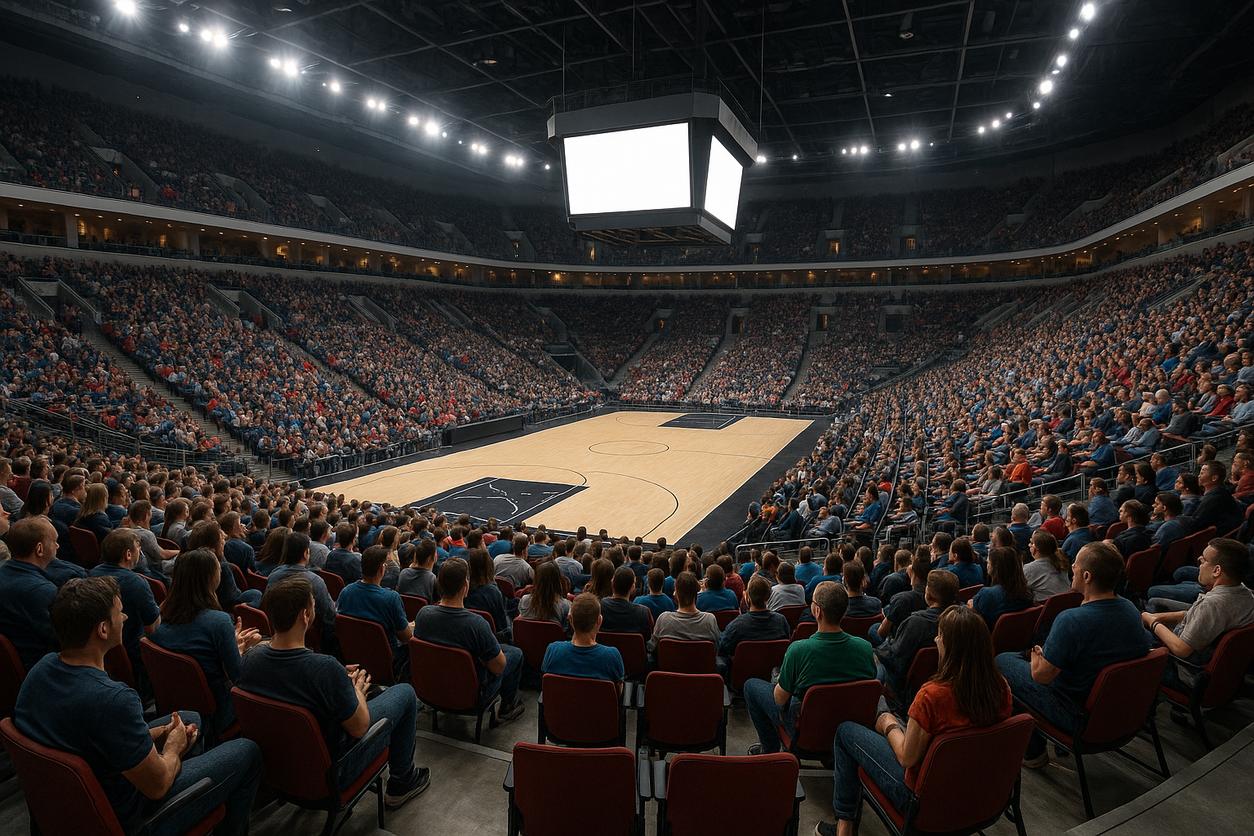
Cleanliness in arenas is paramount for several reasons that directly impact both the health of the patrons and the operational efficiency of the venue.
Health and Safety
The foremost importance of maintaining cleanliness in arenas is to ensure the health and safety of all attendees. Regular sanitization and thorough cleaning protocols significantly reduce the risk of infections and illnesses, an essential consideration in the current climate. This proactive approach not only safeguards the well-being of fans but also protects staff and athletes who frequently interact within these spaces. For more on janitorial services that enhance health and safety, refer to our Comprehensive Guide to Janitorial Services.
Enhancing Fan Experience
A clean environment enhances the overall fan experience. Patrons are more likely to return to a venue that is well-maintained, as their comfort and satisfaction are directly influenced by the cleanliness of the surroundings. The sight of a tidy arena can elevate their mood and create a more enjoyable atmosphere, translating into positive reviews and increased loyalty. Investing in cleanliness can directly drive ticket sales and future attendance.
Longevity of Facilities
Moreover, regular and proper cleaning routines can prolong the lifespan of facilities and equipment. Dirt, grime, and neglect can lead to deterioration, resulting in higher maintenance costs and potential renovations. By prioritizing cleanliness, arena owners can protect their investments and ensure that the infrastructure remains in excellent condition for years to come.
Reflects Operational Efficiency
Ensuring a clean arena not only reflects operational efficiency but also aligns with the expectations of modern sports and entertainment experiences. Today’s audiences are increasingly aware of hygiene standards and often equate a clean environment with the overall quality of the event. Thus, in a competitive entertainment landscape, cleanliness becomes a vital component in attracting and retaining audiences.
Case Studies of Successful Cleaning Implementations
Examining successful implementations of cleaning protocols in various arenas can provide valuable insights into best practices and innovative solutions. Effective cleaning not only enhances the appearance of a venue but also impacts overall safety and attendee experience. This section highlights several notable case studies from different arenas, detailing their strategies, challenges, and outcomes.
Case Study 1: XYZ Arena
The XYZ Arena adopted an innovative cleaning regime that significantly reduced turnaround times between events by 30%. By integrating advanced cleaning machinery with eco-friendly cleaning agents, the arena was able to streamline their processes considerably. The use of automated floor scrubbers and UV-C sanitizing technology played a critical role in maintaining high standards of cleanliness while minimizing downtime. As a result, the venue experienced improved facility usage and a notable increase in attendee satisfaction scores, which jumped from 75% to 92% after implementing the new protocols.
Case Study 2: ABC Stadium
In ABC Stadium, the management faced challenges due to frequent events that often left little time for thorough cleaning. To address this, they employed a dual cleaning team approach, consisting of day and night teams, which worked to ensure that the venue remained clean and presentable at all times. They also introduced a mobile app to allow staff to report cleanliness issues in real-time. The result was a marked increase in cleanliness ratings from fans, coupled with a 20% increase in ticket sales attributed to improved customer experience. Infographics showcasing before-and-after metrics further reinforced the effectiveness of their cleaning strategies. For more insights into innovative services, check out our Comprehensive Guide to Janitorial Services.
Case Study 3: DEF Sports Complex
The DEF Sports Complex implemented a comprehensive cleaning strategy that included intensive training for cleaning staff, focusing on the use of specialized equipment for large venues. The introduction of high-capacity vacuum systems and scheduled deep cleaning during off-peak hours were pivotal. This proactive approach not only helped in maintaining hygiene but also extended the life of facility surfaces, resulting in lower maintenance costs over time. The complex noted a decrease in disease transmission rates during events, improving overall public health, which was a significant outcome highlighted in their case study presentations.
Case Study 4: GHI Event Center
The GHI Event Center set out to create a sustainable cleaning program by utilizing green cleaning products and practices. Collaborating with local eco-friendly suppliers, they developed a comprehensive plan that reduced chemical waste by 50%. Their commitment to sustainability not only appealed to environmentally conscious fans but also attracted attention from media outlets, enhancing the venue’s reputation. Metrics showed an increase in repeat attendance as patrons appreciated the efforts, showcasing the importance of aligning clean practices with fans’ values. For tips on enhancing cleaning efficiency, refer to our article on Warehouse Cleaning Hacks.
Cost Analysis of Different Cleaning Technologies
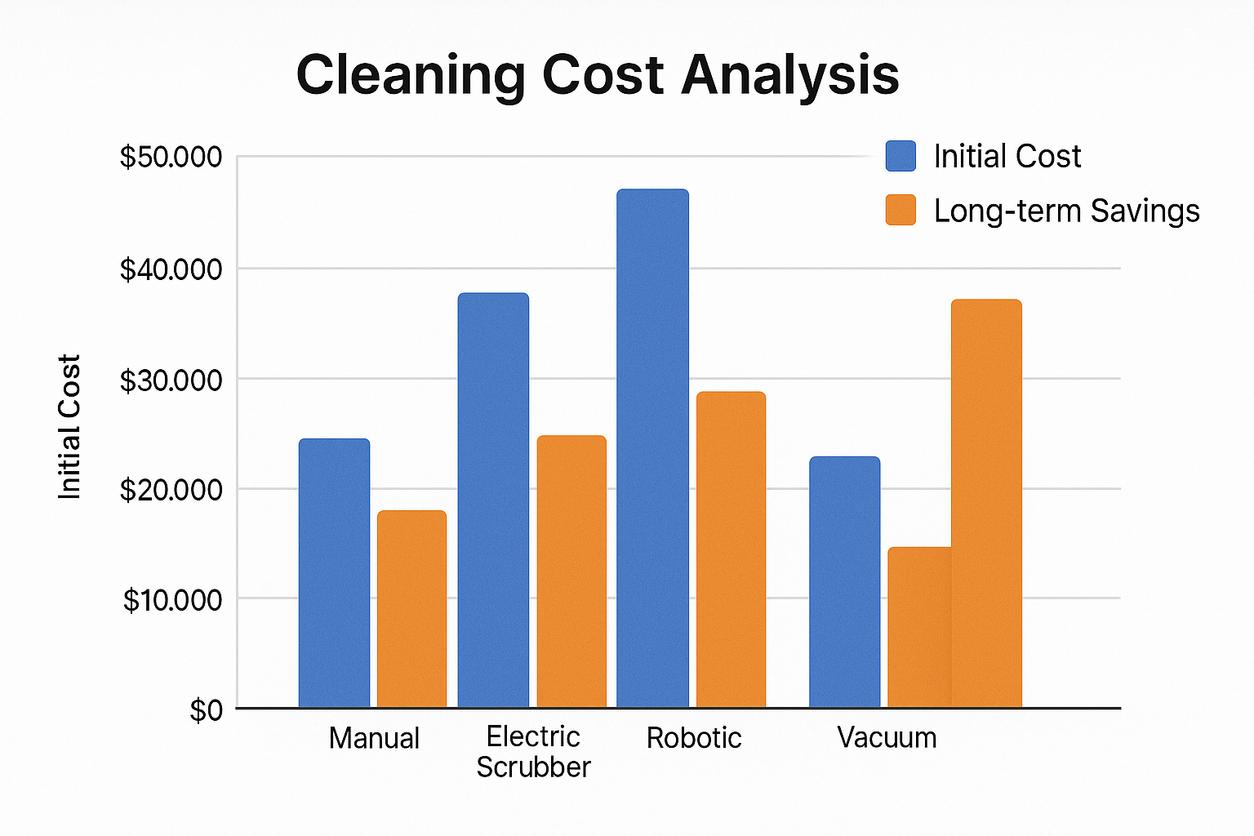
In the quest for a pristine arena, stadium owners and managers face a daunting array of cleaning tools and technologies. Conducting a thorough cost analysis of these options is not only essential for effective budget allocation but also for ensuring that the facility remains clean and appealing to fans year-round.
When evaluating cleaning technologies, two primary categories typically emerge: manual cleaning methods and automated cleaning systems. Each has its own set of initial costs and ongoing expenses, making it crucial to analyze both short-term investments and long-term savings.
Initial Costs
Manual cleaning methods often have lower upfront costs, as they require minimal investment in machinery and can leverage existing staff. For instance, traditional cleaning tools such as mops and brooms are relatively inexpensive compared to advanced automated systems. However, the trade-off comes in the form of higher labor costs, as manual cleaning may require a larger workforce to maintain cleanliness during and after events. For more in-depth insights, check out our Comprehensive Guide to Janitorial Services to understand how manual methods still play a critical role in facility maintenance.
On the other hand, automated cleaning systems, such as robotic vacuums and floor scrubbers, come with a significantly higher initial investment. While these machines can be more expensive upfront, they often reduce the number of staff required for cleaning tasks and allow for faster and more efficient cleaning processes. As a result, stadium owners might find that while the initial investment is steep, it can lead to substantial savings in labor costs over time.
Long-term Savings
One of the most impactful advantages of automated cleaning technologies is their potential for reducing maintenance expenses. Automated systems can often perform cleaning tasks to a more consistent standard than manual labor, leading to less wear and tear on the facility’s surfaces and furnishings. This reduced degradation results in lower maintenance and replacement costs, which can be a significant factor in a stadium’s overall operational budget.
Moreover, a cleaner venue may lead to increased fan satisfaction and attendance, providing additional revenue streams. By maintaining high cleanliness standards, stadiums can enhance their reputation, ultimately translating to higher ticket sales, merchandise purchases, and concessions.
Conclusion
Ultimately, the choice between manual and automated cleaning technologies depends on the unique circumstances of each stadium, including budget constraints and cleaning requirements. By rigorously comparing the short-term cost implications against long-term savings, stadium owners can make informed decisions that not only align with their financial strategies but also contribute to an improved fan experience. For additional insights into maintaining large venues efficiently, explore our article on Arena Cleaning Secrets: Mastering Massive Venues for 2025 Events.
Impact of Cleanliness on Fan Experience Metrics
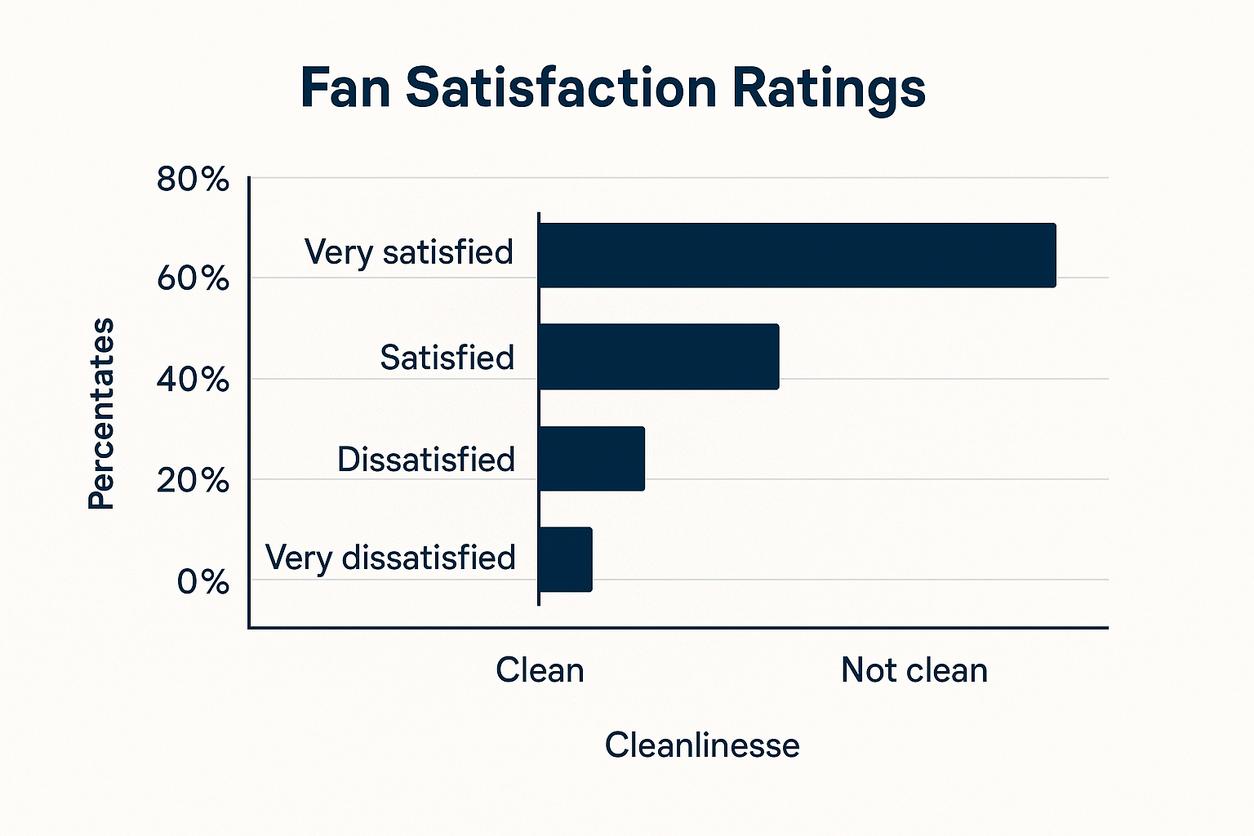
Understanding how cleanliness impacts fan experience can help arena managers prioritize their cleaning strategies. A clean environment is more than just aesthetically pleasing; it is a direct contributor to how fans perceive their overall experience in an arena.
Studies have consistently shown that venues rated as clean have significantly higher customer satisfaction scores. Research from the hospitality industry indicates that a 1% increase in cleanliness can lead to a 5% increase in customer satisfaction, which directly correlates with repeat attendance and loyalty. Fans are likely to return to an arena that makes them feel comfortable and secure, especially in terms of hygiene.
During major events, cleanliness becomes a critical aspect of the venue experience. From the moment fans arrive, they assess the cleanliness of the parking areas, entryways, restrooms, and concession stands. Surveys often show that the state of restrooms is one of the most important factors influencing a fan’s impression of the venue. If patrons encounter unclean facilities, their likelihood of returning diminishes, and the influence extends to social media where negative experiences can spread quickly. For insights on enhancing restroom cleanliness, refer to our article on 5 Surprising Ways Rest Room Cleaning for Offices.
Analyzing metrics related to cleanliness and attendee feedback reveals this strong connection. For instance, cleanliness is often listed as a primary area in post-event feedback forms. Arena managers can utilize these metrics to identify pain points in cleanliness, facilitating targeted cleaning strategies that can address specific fan concerns.
Moreover, implementing technology, such as restroom monitoring systems and feedback kiosks, allows arenas to gather real-time data on cleanliness perceptions. This data can be displayed through infographics for staff training and strategy discussions, highlighting areas needing immediate attention.
In conclusion, cleanliness significantly impacts fan experience metrics. By prioritizing and investing in cleaning protocols, arena owners can not only enhance the immediate experience but also drive long-term loyalty and repeat attendance. For a comprehensive overview of cleaning services and strategies, check out our Comprehensive Guide to Janitorial Services.
Collaborative Efforts Between Cleaning Teams and Event Organizers
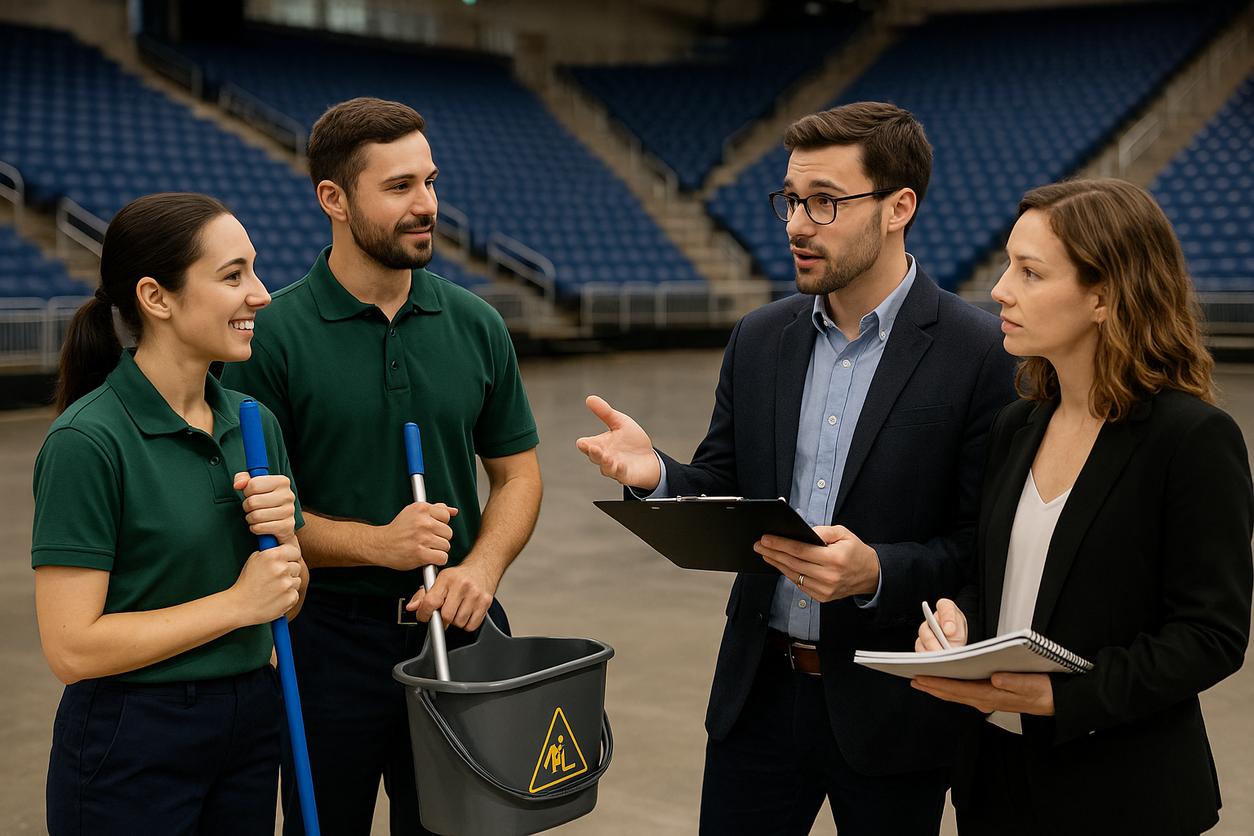
Efficient communication between cleaning teams and event organizers is crucial for successful cleaning initiatives in arenas. The nature of events hosted in these venues, whether they be sports games, concerts, or other large gatherings, requires that cleanliness be maintained consistently and seamlessly. To achieve this, it’s essential to foster collaboration that ensures both perceived and actual cleanliness.
One effective method for encouraging teamwork is through pre-event planning meetings. These gatherings allow cleaning teams and event organizers to discuss the specifics of the upcoming event, including expected attendance and unique requirements for cleanliness. Understanding the flow of people and activities can help cleaners schedule their operations strategically. For instance, if a concert is expected to draw large crowds during the opening act, cleaning teams might plan to conduct thorough sweeps of high-traffic areas immediately before the event begins.
Post-event debriefs are equally as important. These meetings provide valuable feedback on what cleaning efforts were successful and areas for improvement. Cleaning teams can share insights on effectively managing waste, while event organizers can relay information on what audience members noted about their experience. This two-way communication loop not only enhances future events but helps build a culture of continuous improvement.
Moreover, aligning cleaning schedules with event timelines is essential to ensure that venues are immaculate without disrupting the audience’s experience or the event’s ambiance. For larger events, this might mean coordinating multiple cleaning phases: pre-event preparations, ongoing clean-ups during intermissions, and thorough end-of-event cleaning.
Incorporating these collaborative strategies not only improves the effectiveness of cleaning operations but also elevates the overall event experience by ensuring that attendees enjoy a clean and welcoming environment. For more insights into enhancing your cleaning strategies, you can explore our Comprehensive Guide to Janitorial Services which delves deeper into effective cleaning practices.
Future Trends in Arena Cleaning Technology
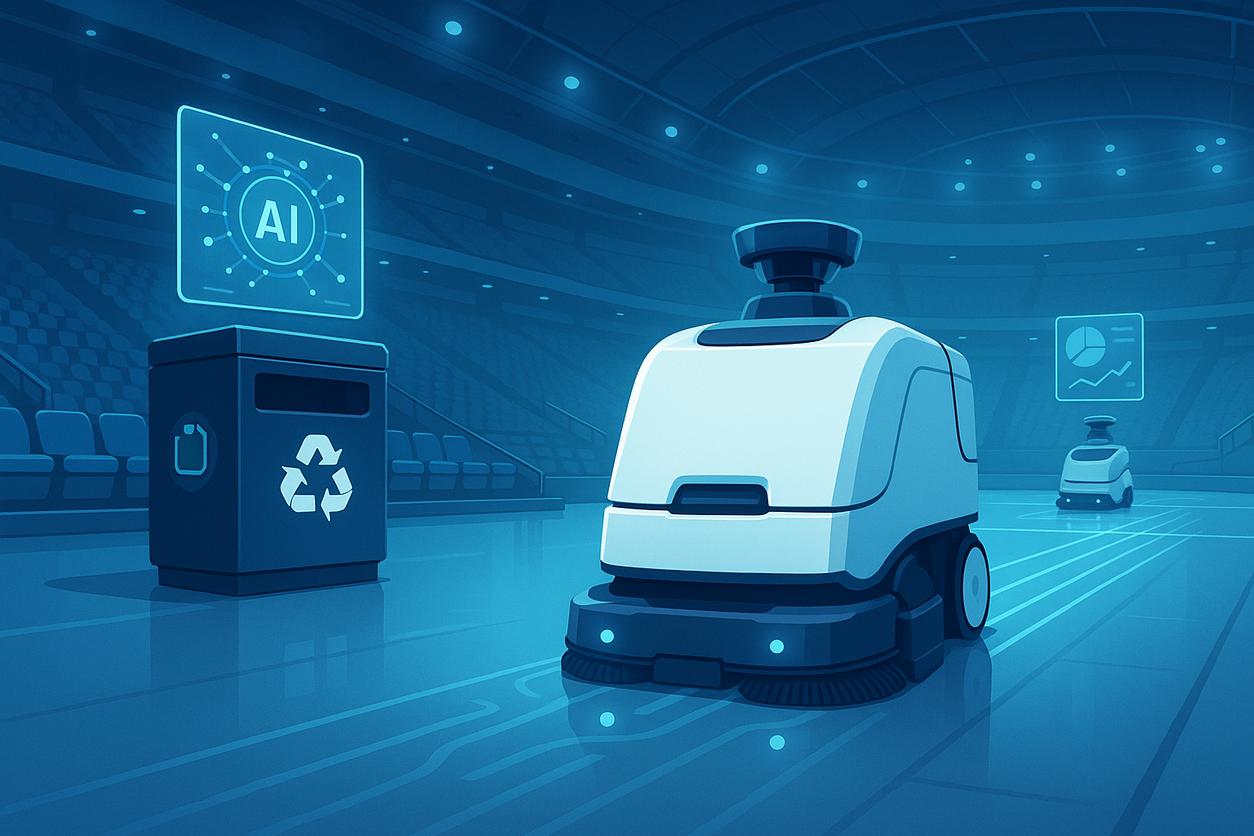
As the arena and stadium industry moves forward, technology is set to redefine the cleaning landscape, bringing unprecedented efficiency and effectiveness. Cleaning teams are increasingly adopting innovative solutions that not only streamline operations but also contribute to sustainability efforts. This section delves into the future trends in arena cleaning technology, providing insights into how these advancements can enhance operational efficiencies and create a cleaner, safer environment for fans and staff alike.
Robotic Cleaners
The incorporation of robotic cleaners into arena maintenance is no longer a distant dream. Autonomous cleaning robots can navigate large spaces efficiently, ensuring thorough cleaning with minimal human supervision. These robots come equipped with advanced sensors and AI capabilities, allowing them to adapt to various floor surfaces and cleaning needs. Future developments may include enhanced navigation technologies, such as 3D mapping, which will enable robots to tackle more complex cleaning tasks while simultaneously collecting data about the areas they cover.
Advanced Waste Management Systems
Innovations in waste management are crucial for maintaining the cleanliness of large venues. Smart waste bins equipped with sensors that monitor fill levels and optimize collection routes will become commonplace. These systems help in managing waste more effectively, reducing overflow and promoting recycling efforts. By integrating waste management systems with cleaning schedules, arena managers can ensure that waste is handled efficiently, contributing to a cleaner and more organized environment. For further insights, check out our Comprehensive Guide to Janitorial Services to understand how effective waste management plays a key role in maintaining cleanliness.
AI-Driven Data Analytics
Data analytics will play a transformative role in how cleaning operations are managed. By utilizing AI-driven analytics, arenas can optimize cleaning schedules based on real-time data about attendance, event types, and crowd behavior. This predictive approach allows for more effective allocation of resources, ensuring that high-traffic areas receive the attention they need without overspending on labor in less populated zones. Integrating data analytics into cleaning protocols not only improves operational efficiency but also enhances the overall fan experience by maintaining cleanliness during peak times.
Sustainability Focus
The future of arena cleaning is closely tied to sustainability. With increasing pressure to adopt eco-friendly practices, technologies that utilize biodegradable cleaning agents, water-efficient systems, and energy-saving equipment will be prioritized. Innovations like steam cleaning and UV-C light sanitization can eliminate the need for harsh chemicals, making arenas safer for fans, staff, and the environment. For more on sustainable practices, visit our article on Arena Cleaning Secrets: Mastering Massive Venues for 2025 Events to discover how cleaning teams can embrace eco-friendly technologies.
In conclusion, the future of arena cleaning technology is promising, with a focus on efficiency, sustainability, and enhanced fan experiences. As these technologies become more integrated into arena management, the goal will be to create cleaner, healthier spaces that allow fans to enjoy their favorite events without the distraction of cleanliness issues.
Sustainable Cleaning Practices

Sustainability is an increasingly pressing concern for many arenas and stadiums. As public awareness of environmental issues grows, venue owners and managers are seeking ways to reduce their ecological footprints while still maintaining high standards of cleanliness and hygiene. In this section, we explore the various eco-friendly cleaning solutions and practices that can significantly reduce chemical waste and energy consumption.
One of the primary ways to make cleaning operations sustainable is by adopting green cleaning products. These products are typically made from natural, biodegradable ingredients that are less harmful to the environment than traditional cleaning agents. Using eco-friendly products not only helps to limit toxic runoff entering local water sources, but they also improve indoor air quality. Many commercial cleaning products contain volatile organic compounds (VOCs), which can contribute to respiratory issues and other health problems for workers and visitors alike. By switching to greener alternatives, arenas can safeguard the health of their staff and guests while bolstering their commitment to sustainability. For a comprehensive discussion on janitorial services and eco-friendly practices, check out our Comprehensive Guide to Janitorial Services.
Additionally, implementing efficient waste management protocols can play a significant role in promoting sustainable practices. Stadiums often produce large volumes of waste, especially during events. By setting up recycling and composting programs and educating staff about proper disposal methods, venues can minimize the amount of waste that ends up in landfills. In 2020, a stadium in the Midwest reported a 30% reduction in waste sent to landfills after introducing a comprehensive waste management strategy, demonstrating that such initiatives are not only feasible but also highly beneficial.
Energy consumption is another area where sustainability can be addressed. Many modern cleaning technologies and equipment now come with energy-efficient ratings. For example, utilizing electric floor scrubbers and low-water cleaning techniques can significantly reduce the energy footprint of cleaning operations. Furthermore, installation of energy-efficient lighting in cleaning areas and using equipment that operates at lower decibel levels can create a quieter and more pleasant environment for both staff and patrons.
Investing in staff training on sustainable cleaning practices is equally important. Housekeeping teams should be well-versed in how to use eco-friendly products effectively, how to implement waste separation correctly, and how to maintain equipment to prolong its life and efficiency.
In conclusion, embracing sustainable cleaning practices not only enhances the ecological profile of arenas but also aligns with the growing expectation of environmental responsibility among fans and stakeholders. By adopting green cleaning products and implementing efficient waste management protocols, stadiums can significantly contribute to a cleaner planet while ensuring high standards of cleanliness are met. For more insights on improving cleaning efficiency, consider our article on Warehouse Cleaning Hacks.
Conclusion
Clean arenas not only provide a safe environment for attendees but also enhance their overall experience. By adopting effective cleaning practices, utilizing the latest technologies, and focusing on sustainability, arena managers can ensure that their venues remain top choices for events. This comprehensive guide should serve as a foundational tool for ongoing education and improvement in arena cleaning strategies.


Green Clean Janitorial has been a life saver. I had tried hiring a cleaning company before and the workers would never show up, or do an awful job. Green Clean Janitorial has been excellent. They always show up on time, do an amazing job, are really friendly and helpful…I can’t recommend them highly enough.
Jackson Harper